
Frank Lloyd Wright’s Richard Lloyd Jones House aka Westhope
In 1929, Frank Lloyd Wright was commissioned by his cousin, Richard Lloyd Jones, to design a home for his family in Tulsa, Oklahoma.
Known as Westhope, the house draws from Wright’s early 1920s Los Angeles work—built using a stacked variation of his signature textile block system.
Custom-fabricated concrete blocks, held together by metal reinforcement, create both structure and ornament—blurring the line between architecture and pattern.
📷: iPhone15
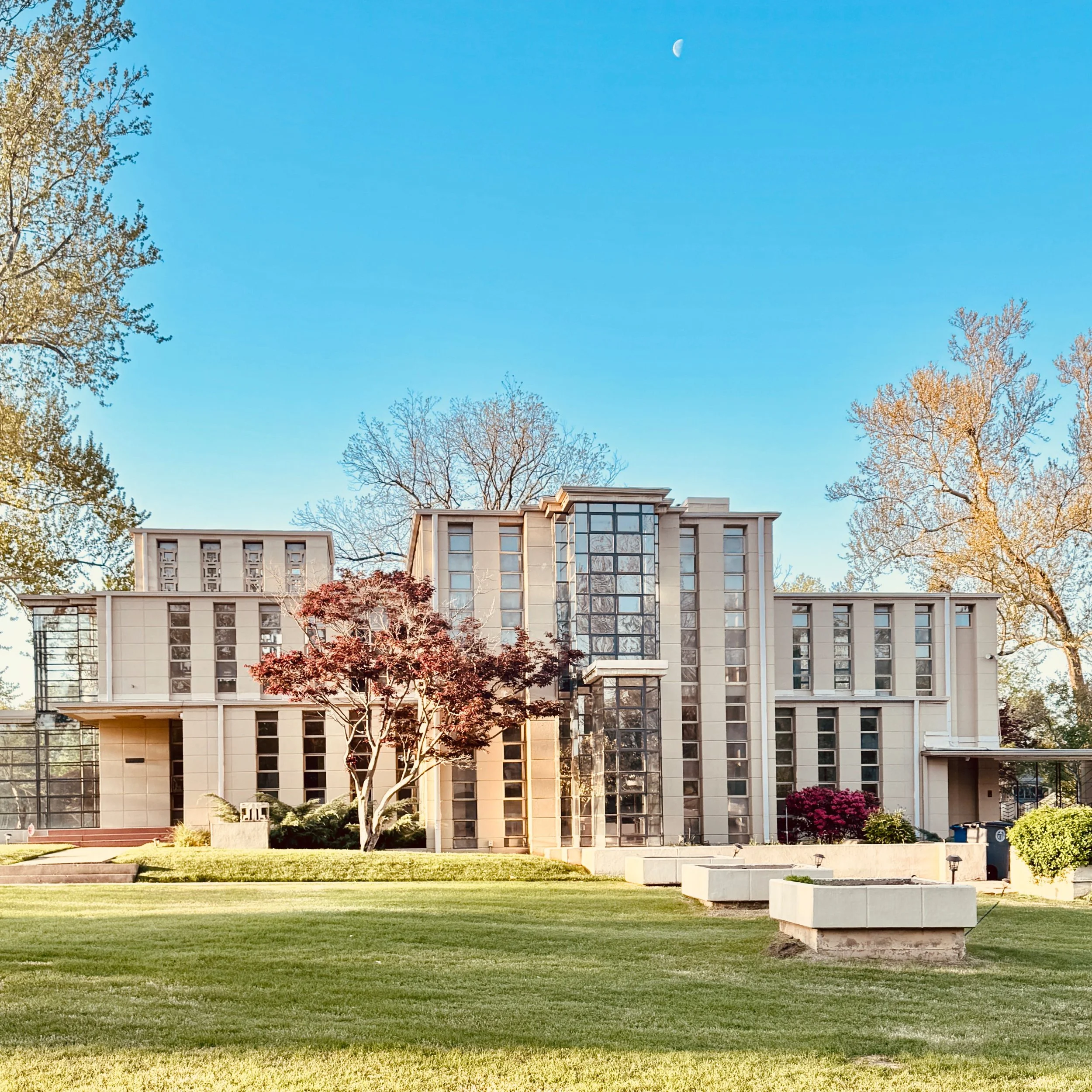
Richard Lloyd Jones House aka Westhope (1929). Tulsa, Oklahoma.
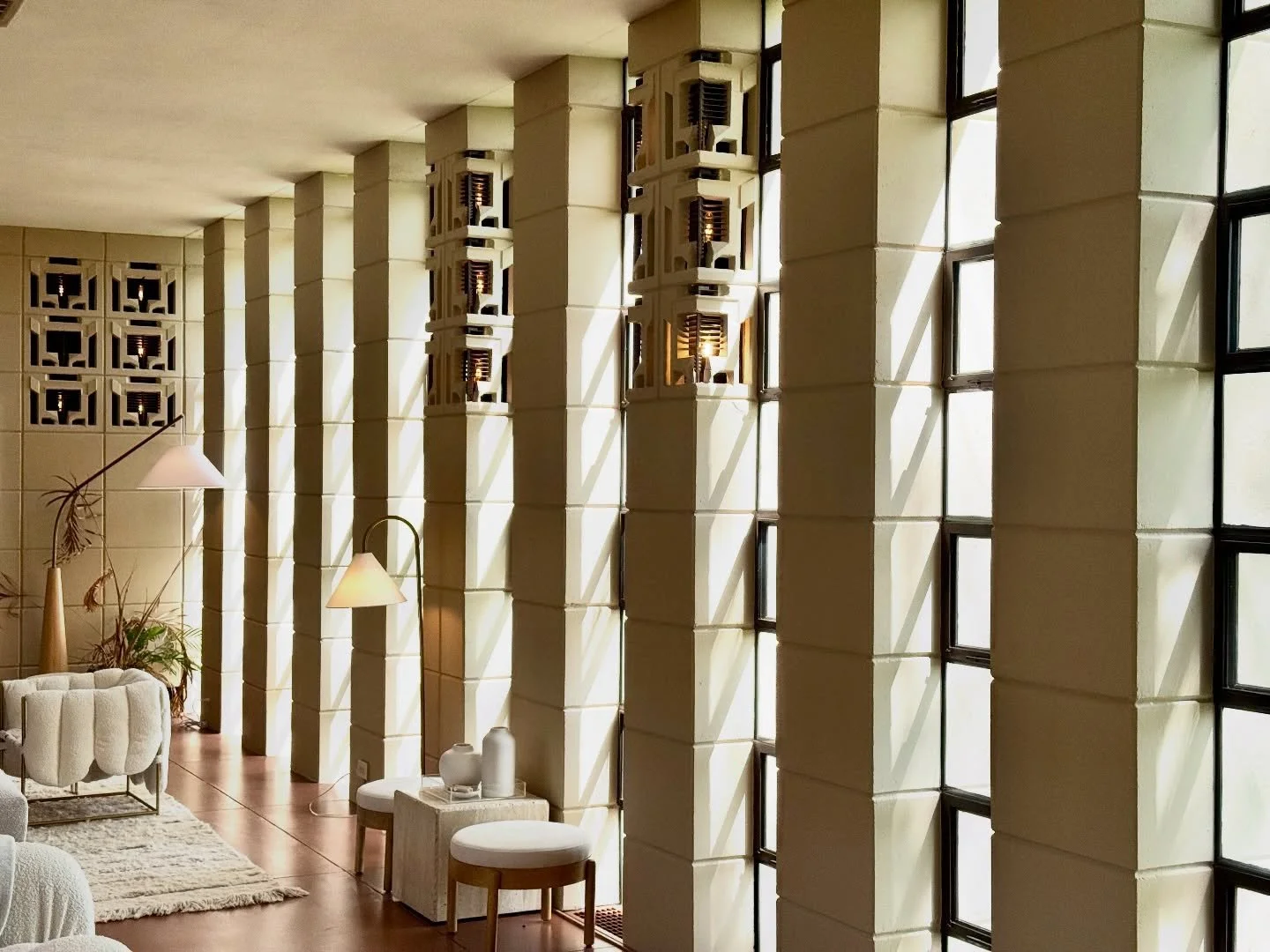
Richard Lloyd Jones House aka Westhope (1929). Tulsa, Oklahoma.
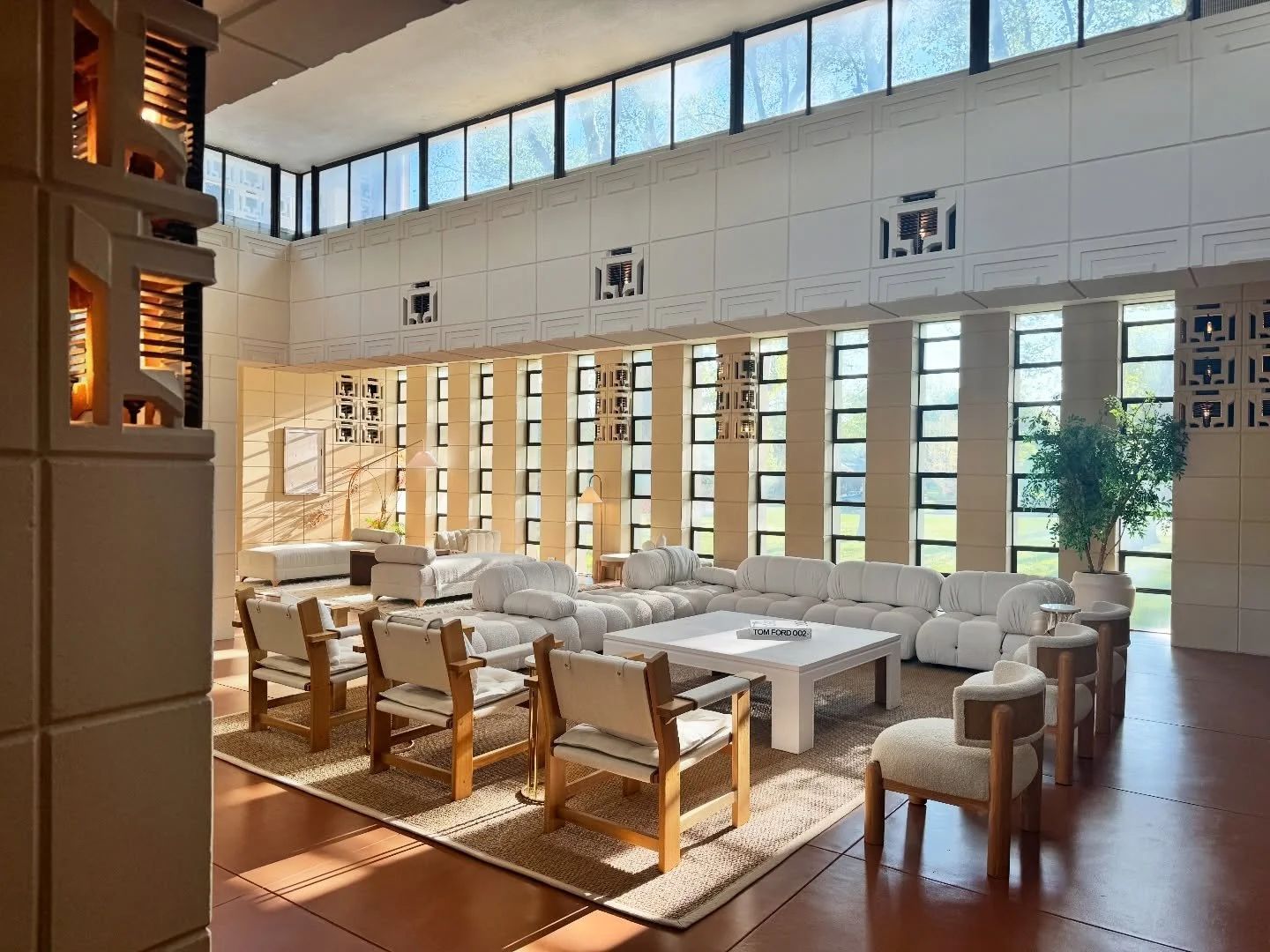
Richard Lloyd Jones House aka Westhope (1929). Tulsa, Oklahoma.
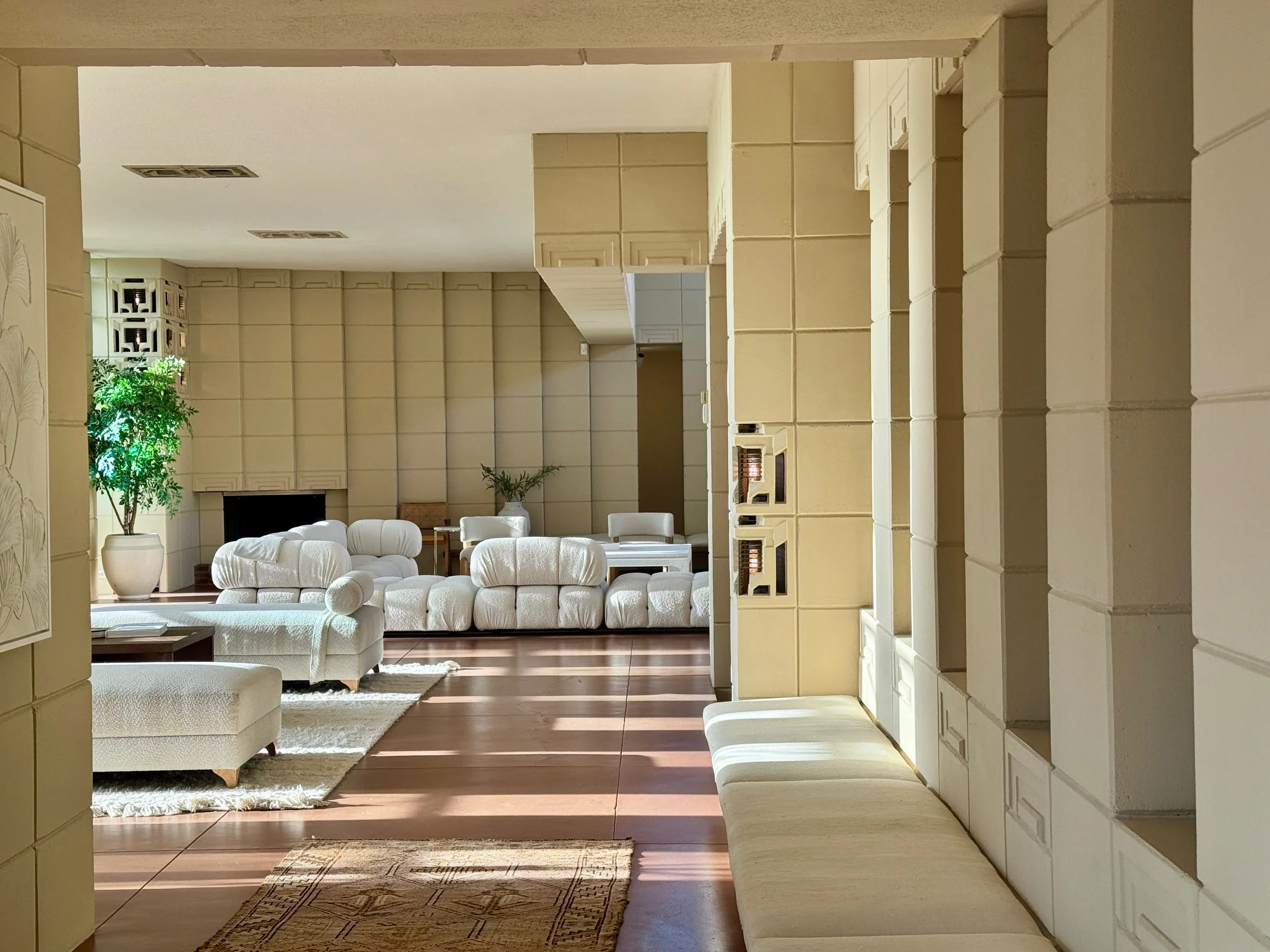
Richard Lloyd Jones House aka Westhope (1929). Tulsa, Oklahoma.
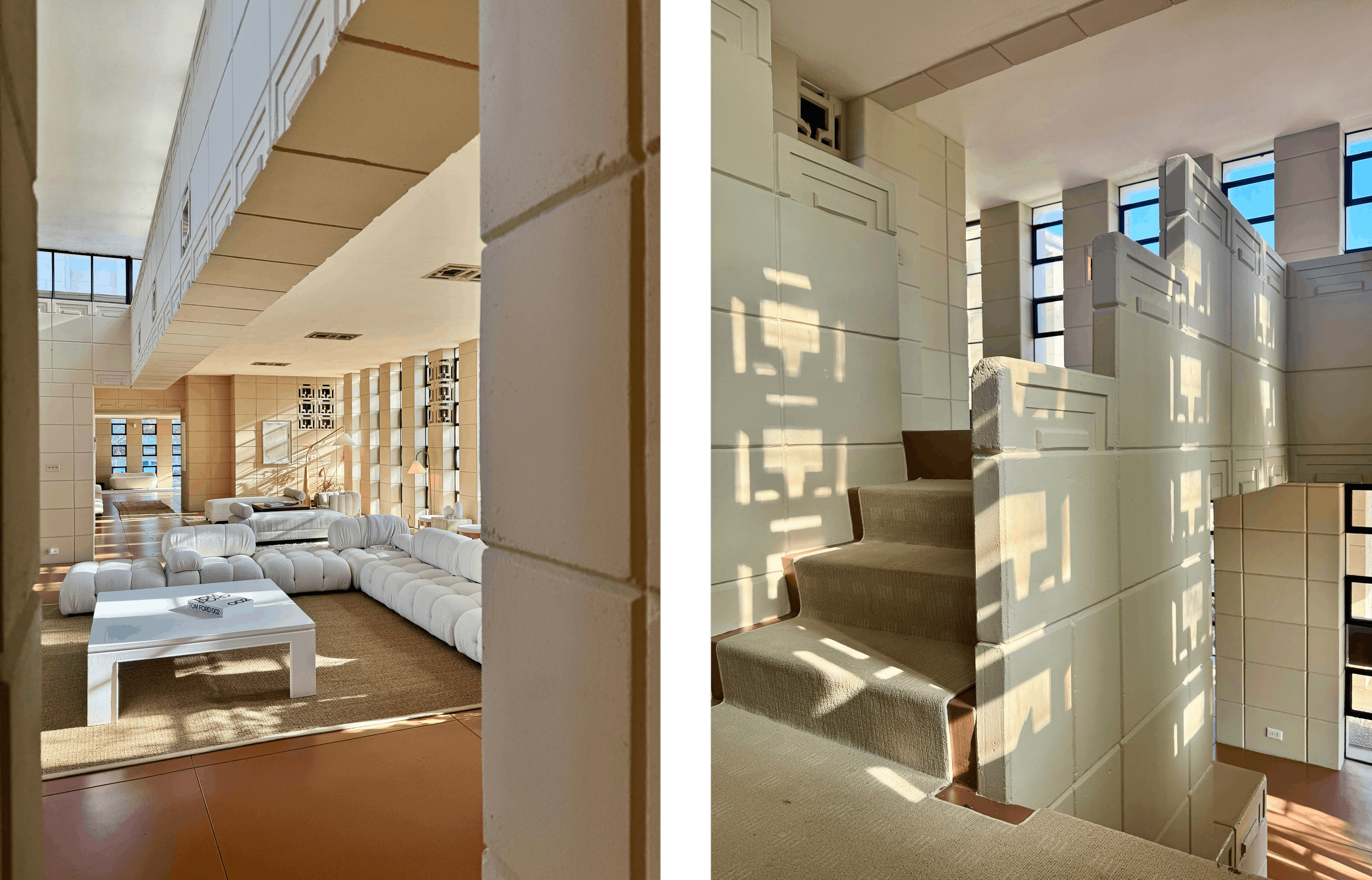
Richard Lloyd Jones House aka Westhope (1929). Tulsa, Oklahoma.
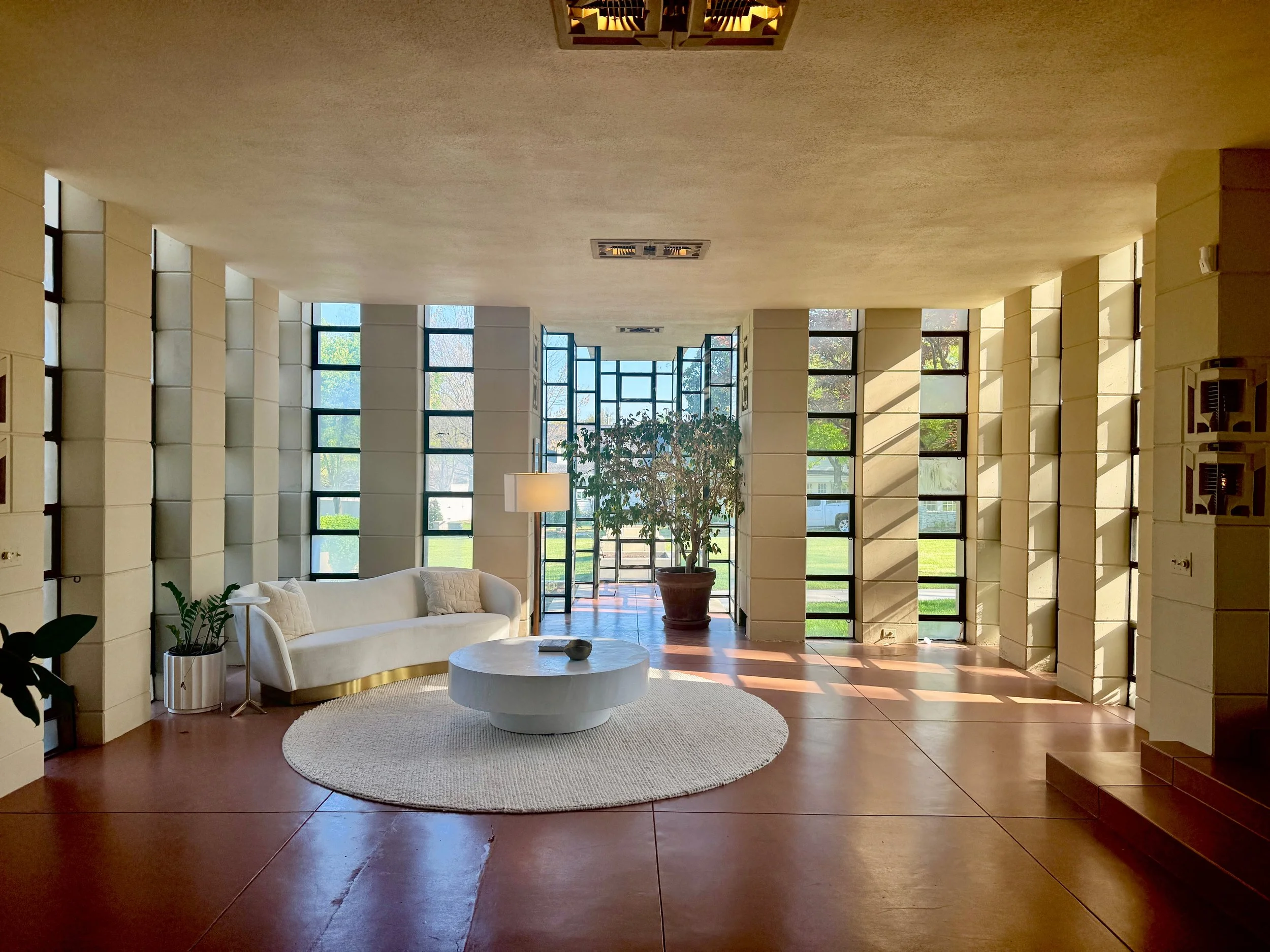
Richard Lloyd Jones House aka Westhope (1929). Tulsa, Oklahoma.
My Field Notes:
For better or worse, this one is unique. It stands apart. Wright was experimenting here—even within the already experimental nature of textile block, he pushed things further. And those are often the most interesting projects to study. It’s also the only textile block house outside of California. He designed many Prairie houses and a large number of Usonian homes, but comparatively few textile block structures—and none that look quite like this.
With the design of the “piers,” as Wright called them, the house actually lets in a tremendous amount of light—over 5,200 windows throughout the structure. Because of how that light is filtered and broken up by the piers, it creates a really unique quality. It’s not overwhelming—it’s controlled, layered, and constantly shifting. That made it incredibly rewarding to work with photographically.
How the design handles light—A+ here. Some of the best interior light I’ve seen. In my opinion, it’s even stronger than the Ennis House, which is the only other textile block house I’ve photographed. I think that comes down to how Westhope uses those vertical piers and full-height windows. It creates a different quality of light—more controlled, but also more dynamic. Maybe Wright learned from earlier designs and pushed for something brighter here?
Similar to Ennis house, I definitely felt that the step-ups and step-downs within the open plan gave it a spatial rhythm.
I'm not sure when the interior and exterior paint happened, but I’d love to see the material back in its original state.
I really enjoyed photographing this space. The rhythm through the common areas works—there’s a natural flow, with Wright offering those subtle peeks that draw you deeper into the design. The bedrooms, though, and how they connect, feel a bit more disjointed.
Have you seen it? What are your thoughts?